We hear a lot about losing weight.
The discipline.
The transformation.
The “glow up.”
The smaller clothing sizes.
The confidence boost.
But there is a side of weight loss that rarely makes it into the conversation.
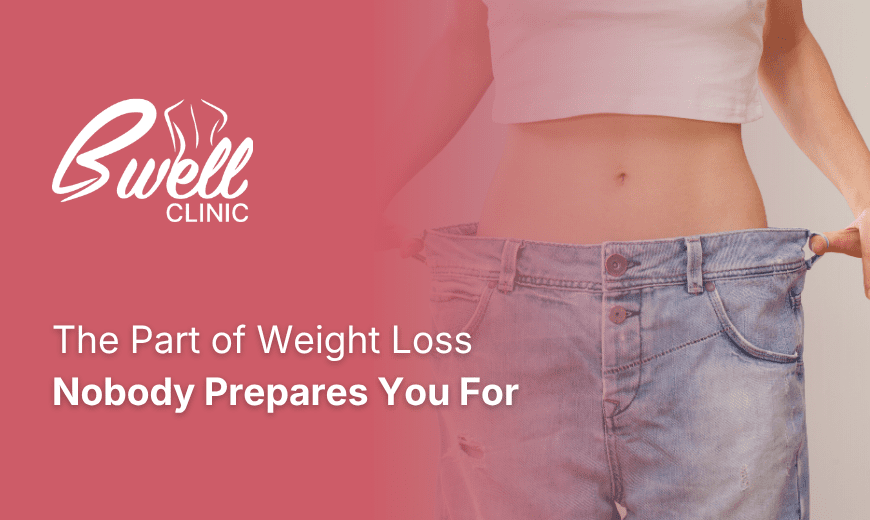
Because sometimes, after reaching your goal, your body still does not feel quite the way you expected it to
For some people, it is loose skin. For others, it is stubborn pockets of fat that seem impossible to target. Some notice cellulite more than before, while others simply feel like their body has changed shape in ways they did not anticipate.
And honestly? That experience is a lot more normal than most people think.
Your body changes… and so does your skin
Weight loss is not just about fat reduction. Your body goes through a full adjustment process.
Skin elasticity, muscle tone, circulation, hormones, hydration, and even age can all influence how your body responds during and after weight changes.
This is especially relevant today, as more people are turning to medically guided wellness programmes and faster weight-loss methods.
While the scale may change quickly, the body often needs more time to adapt physically.
Why some areas feel harder to tone
One of the most frustrating parts for many people is realising that certain areas may not respond evenly, even with healthy habits and regular exercise.
Common concerns often include:
- Loose skin around the stomach or arms
- Areas that still feel “soft”
- Cellulite
- Reduced skin firmness
- A lack of muscle definition
And contrary to what social media may suggest, this is not necessarily about doing something wrong.
Body composition is influenced by a combination of factors, including genetics, lifestyle, hormones, and natural fat distribution.
This is one reason why non-invasive body contouring treatments have become such a growing wellness trend globally, particularly among people looking for supportive, non-surgical options.
The shift toward non-invasive wellness treatments
There has been a noticeable shift in how people approach body confidence.
Instead of extreme procedures or unrealistic beauty standards, many are now looking for treatments that feel:
- More natural
- More manageable
- Less invasive
- And easier to fit into everyday life
The focus has become less about “perfect bodies” and more about feeling toned, energised, and comfortable in your own skin.
At BWell Clinic, treatments are designed to support this more balanced approach to wellness and body confidence.
Depending on individual goals, some people explore treatments such as:
- Microcurrent Body Sculpting to stimulate muscles and support toning
- Radio Frequency treatments that help encourage collagen and skin tightening
- Ultrasonic Cavitation for areas of stubborn fat and cellulite
- Wood Therapy and Fascia Blasting to support circulation and contouring
- Detox Body Wraps designed to reduce swelling and support lymphatic drainage
These treatments are non-invasive and designed to work alongside a healthy lifestyle, rather than replace it.
It is not always about “looking smaller”
This is where the conversation around wellness is changing.
For many people, the goal is no longer simply weight loss.
It is:
- Feeling stronger
- Improving body confidence
- Supporting skin health
- Feeling more comfortable in clothing
- Improving muscle tone
- Reducing bloating or puffiness
- Supporting overall wellness
And that looks different for everybody.
Who explores these treatments?
There is a common misconception that body contouring is only for dramatic transformations.
In reality, people explore these treatments for many different reasons, including:
- Post-pregnancy body changes
- Hormonal fluctuations
- Fitness plateaus
- Post-weight-loss support
- Cellulite concerns
- General body maintenance and wellness
Some people want subtle changes.
Others simply want support in areas that feel difficult to improve through lifestyle changes alone.
What can you realistically expect?
Results will always vary depending on the person, the treatment plan, and overall lifestyle habits.
That said, some people report noticing:
- Smoother-looking skin
- Improved firmness
- Better muscle activation
- Reduced swelling
- A more sculpted appearance
- Increased confidence
And often, it is the small changes that make the biggest difference in how people feel day to day.
The bigger picture
Wellness is becoming more personalised than ever before.
People are moving away from the idea that confidence only comes from reaching a certain number on the scale.
Instead, there is growing interest in treatments and wellness approaches that support the body in a more realistic and sustainable way.
Because sometimes the journey does not end with weight loss.
Sometimes that is simply where a new phase begins.
FAQ
What is non-invasive body contouring?
Non-invasive body contouring refers to treatments designed to support toning, sculpting, skin tightening, or fat reduction without surgery or lengthy downtime.
These treatments may use technologies such as:
- Muscle stimulation
- Sound wave therapy
- Radio frequency
- Massage and lymphatic techniques
Who are these treatments suitable for?
These treatments may be suitable for individuals who:
- Have experienced weight loss
- Want help targeting stubborn areas
- Notice loose or sagging skin
- Want to support muscle tone and circulation
- Are looking for non-surgical wellness options
A personalised assessment is usually the best place to start.
Do these treatments help with cellulite?
Some treatments may help improve the appearance of cellulite by supporting circulation, skin firmness, and lymphatic drainage.
Results can vary depending on the individual and treatment approach.
Can these treatments replace healthy habits?
No.
These treatments are generally intended to complement a balanced lifestyle that includes movement, hydration, and nutrition.
They are designed to support existing wellness efforts, not replace them.
How many sessions are usually recommended?
This depends on the treatment and the individual’s goals.
Some people may benefit from a few sessions, while others may choose a longer-term treatment plan for gradual results.
Are the treatments painful?
Most non-invasive treatments are designed to be comfortable with little to no downtime.
Depending on the treatment, sensations may include warmth, muscle contractions, or pressure.
Can treatments be combined?
Yes.
Many people combine treatments depending on their goals and areas of concern.
A personalised treatment plan can help determine which combination may be most suitable.
Ready to learn more?
If you are looking for supportive, non-invasive ways to complement your wellness journey, exploring your options may be the next step.
At BWell Clinic, treatments are tailored to your individual goals with a focus on comfort, balance, and realistic results.
Book your consultation today and discover which treatments may support your body confidence and wellness journey.
Address
- 384 Lois Ave, Waterkloof Glen, Pretoria, 0010
- Mon-Fri: 9am – 5pm
© 2026 BWell Clinic Waterkloof. All rights reserved.